
Protein-Rich Foods Recommended by Experts
Discover evidence-based insights on the best protein sources to support your health and fitness goals. Learn from nutrition experts about plant-based, animal-based, and alternative protein options that fit every lifestyle.
Why Protein Matters for Your Health
Protein is one of the three essential macronutrients your body needs to function optimally. It supports muscle growth, repairs tissues, produces enzymes and hormones, and strengthens your immune system.
Whether you're an athlete, a professional, or simply focused on maintaining wellness, understanding quality protein sources is fundamental to building a balanced diet that works for your unique needs.
- Supports muscle maintenance and growth
- Enhances satiety and energy levels
- Aids recovery and tissue repair
- Strengthens bones, skin, and connective tissue

Top Protein-Rich Foods
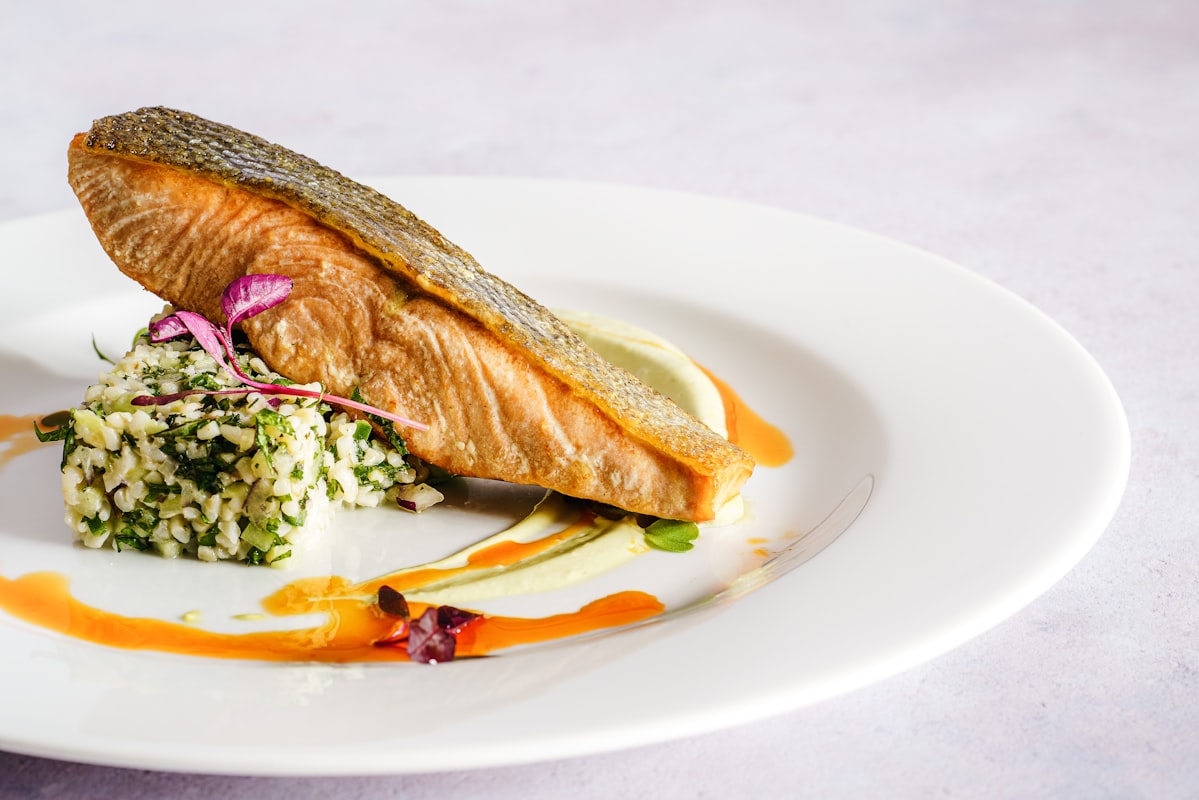
Lean Poultry
Chicken and turkey are excellent sources of lean protein with minimal saturated fat. A 100g serving provides up to 31g of protein, making them ideal for muscle building and maintenance.
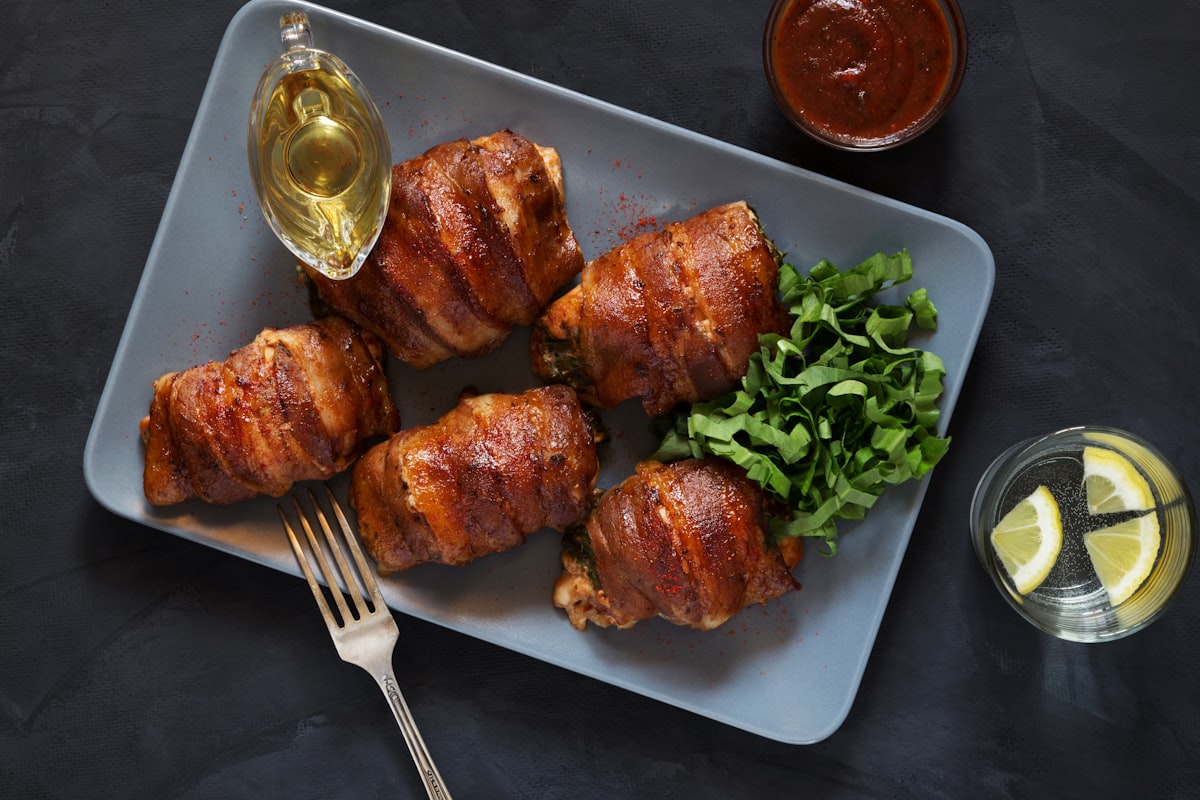
Fish and Seafood
Salmon, cod, and tuna offer high-quality protein plus omega-3 fatty acids that support heart and brain health. These nutrient-dense options are staples in many expert-recommended diets.

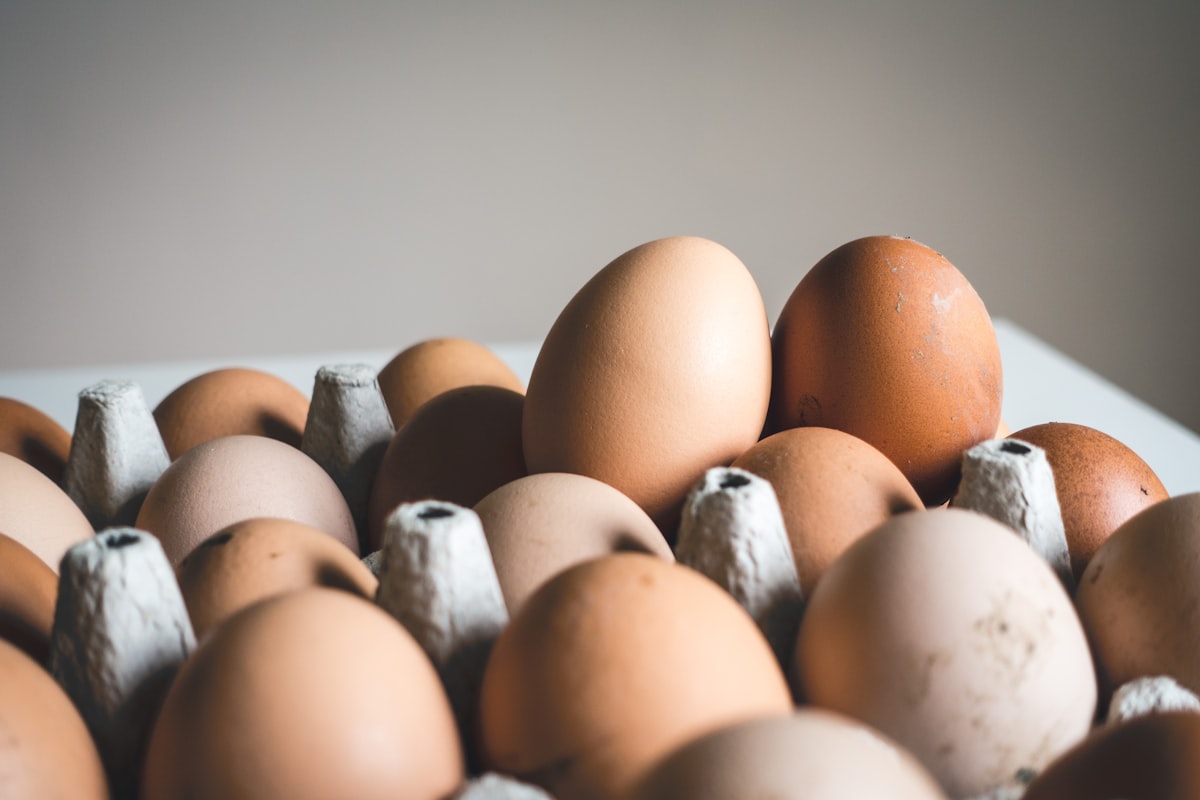
Eggs
One of nature's most complete proteins, eggs contain all nine essential amino acids. They're versatile, affordable, and widely recognized by nutritionists as a nutritional powerhouse.
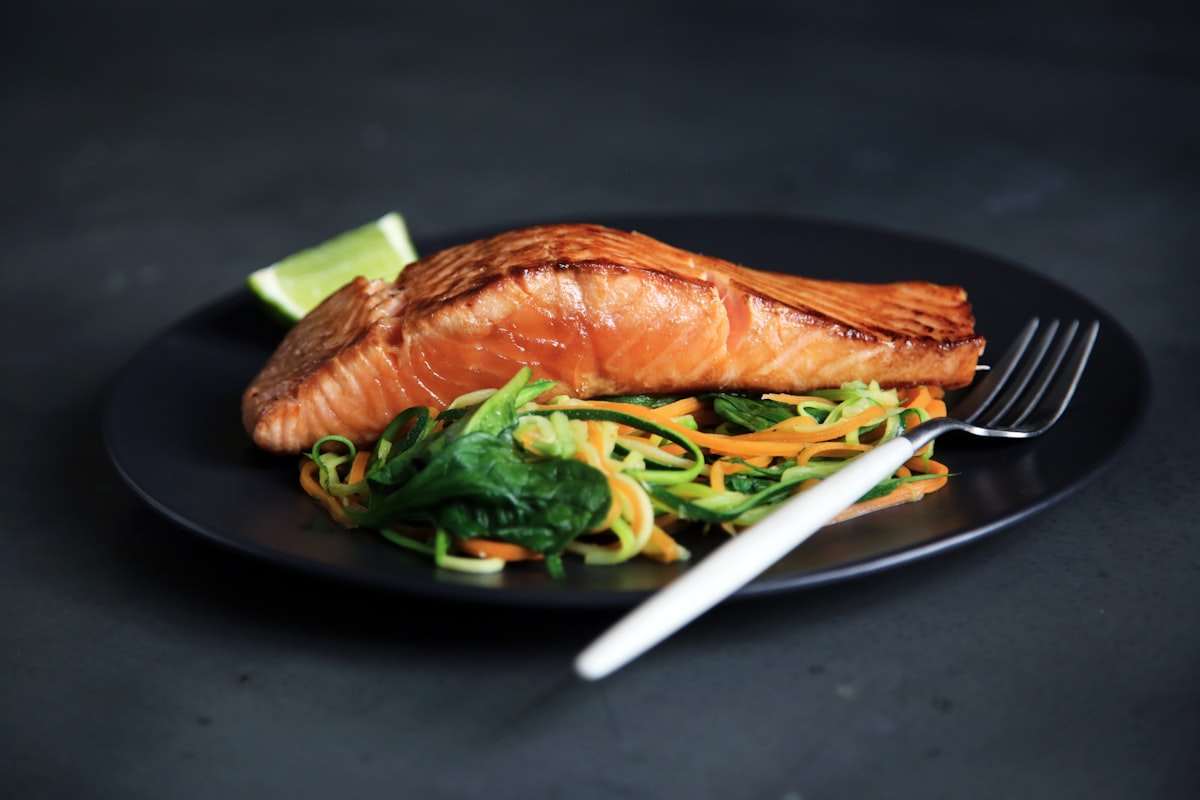
Legumes and Beans
Lentils, chickpeas, and black beans are plant-based protein champions, offering 15-25g per cooked cup. They're rich in fibre, making them excellent for digestive health.
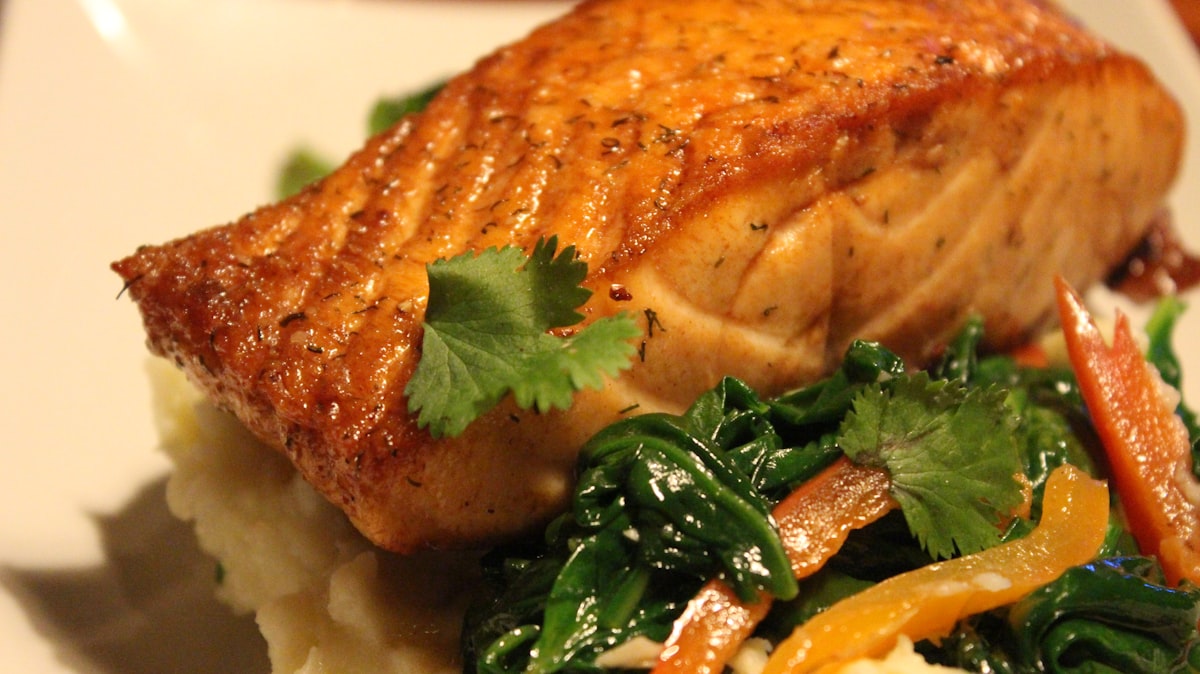
Greek Yogurt and Dairy
Greek yogurt delivers twice the protein of regular yogurt while providing probiotics for gut health. Cheese and cottage cheese are equally nutritious protein options.
Nuts, Seeds, and Nut Butters
Almonds, pumpkin seeds, hemp seeds, and natural peanut butter combine protein with healthy fats. These nutrient-dense snacks support sustained energy and satiety.
Building a Balanced Protein Diet
Assess Your Daily Needs
Nutritionists recommend 0.8 to 1.0 grams of protein per kilogram of body weight for most adults. Athletes and those focused on muscle building may require higher amounts. Calculate your personal target and track consistently.
Diversify Your Sources
Combine animal and plant-based proteins to maximize amino acid profiles and micronutrient intake. Rotating between chicken, fish, eggs, legumes, and plant proteins ensures varied nutrient absorption and prevents dietary monotony.
Time Your Intake
Distribute protein evenly across meals—experts suggest 25-30g per meal—to optimise muscle protein synthesis. This approach also supports sustained energy and helps maintain satiety throughout the day.
What Our Community Says
"
The protein guide on this site completely transformed how I approach nutrition. I used to think all protein sources were the same, but learning about amino acid profiles and timing has made a real difference in my fitness progress. The expert recommendations are evidence-based and practical.
Sarah Mitchell
Manchester, United Kingdom
"
As a vegetarian, I struggled to find reliable information about plant-based protein sources. This resource breaks down legumes, nuts, and seeds in such an accessible way. I now feel confident that I'm getting adequate protein without any confusion.
James Richardson
London, United Kingdom
"
I was recovering from an injury and needed to understand how protein supports tissue repair. The detailed articles here gave me clarity and confidence. Highly recommend for anyone wanting to educate themselves on nutrition science.
Eleanor Thompson
Edinburgh, United Kingdom
"
The expert tips section is invaluable for anyone serious about fitness. I've implemented the recommendations and noticed improvements in my energy levels and recovery time. Clear, honest, and backed by real nutrition science.
David Chen
Birmingham, United Kingdom
Frequently Asked Questions
How much protein do I need daily?
The general recommendation is 0.8 grams of protein per kilogram of body weight for sedentary adults. However, active individuals, athletes, and those over 65 may benefit from 1.2 to 2.0 grams per kilogram. For example, a 70kg person engaging in regular exercise would aim for 84–140g daily. Consulting with a nutritionist can help determine your personal target based on your goals and lifestyle.
What's the difference between complete and incomplete proteins?
Complete proteins contain all nine essential amino acids your body cannot produce. Animal sources like chicken, fish, eggs, and dairy are complete proteins. Most plant-based proteins are incomplete, meaning they lack one or more essential amino acids. However, combining different plant sources—such as rice with beans—creates a complete amino acid profile. This is why dietary diversity is important for plant-based eaters.
Can I get enough protein on a vegan diet?
Yes, absolutely. Plant-based sources like legumes, tofu, tempeh, quinoa, nuts, seeds, and whole grains provide substantial protein. The key is combining different sources throughout the day and being mindful of portion sizes. Many athletes and fitness enthusiasts follow vegan diets successfully by understanding complementary proteins and planning meals accordingly. Detailed food pairing guides can help ensure you meet your targets.
Is protein powder necessary, or can I get all protein from whole foods?
Whole foods are always the foundation of a healthy diet and provide micronutrients and fibre alongside protein. Protein powder is a convenience tool—useful for people with busy schedules, specific dietary needs, or those aiming for very high protein intake. It's not necessary if you can meet your targets through eggs, fish, chicken, legumes, dairy, and plant-based whole foods. Choose based on your lifestyle, not as a replacement for whole nutrition.
How do I time protein intake for maximum muscle recovery?
Distribute protein evenly across three to four meals, aiming for 25–30g per meal. This approach optimises muscle protein synthesis throughout the day. While the "anabolic window" concept has been overstated, consuming protein within a few hours of exercise supports recovery. Consistency and total daily intake matter more than perfect timing. Stay hydrated and combine protein with adequate carbohydrates and recovery sleep for best results.
Stay Updated with Expert Insights
Subscribe to our newsletter for the latest articles on protein nutrition, dietary science, and fitness expert recommendations straight to your inbox.
Ready to Deepen Your Nutrition Knowledge?
Explore our comprehensive protein guide, discover science-backed expert tips, and join a community dedicated to informed, balanced nutrition choices.